
Beatie Wolfe
Beatie Wolfe Overview
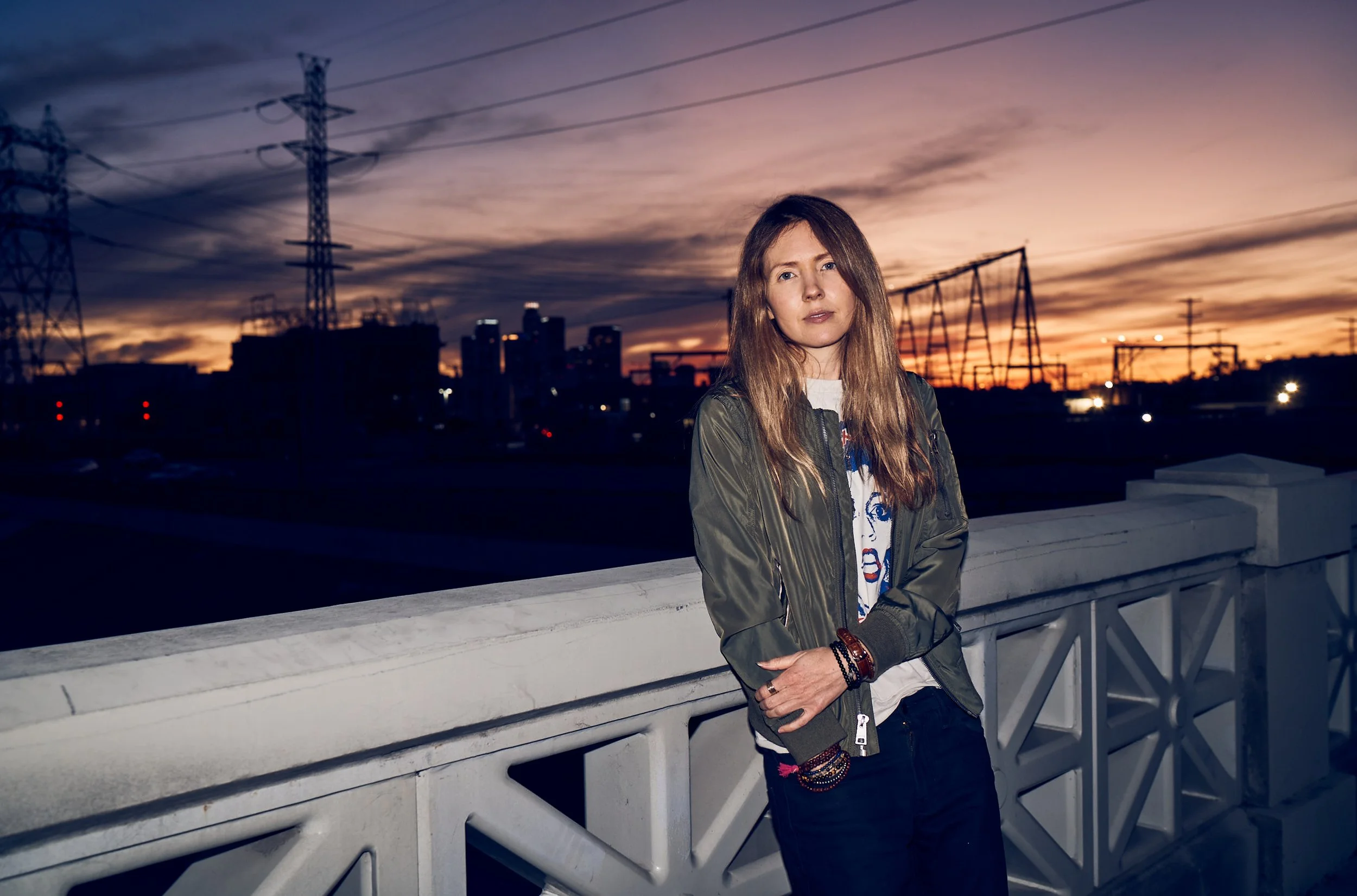
“Musical weirdo and visionary" (Vice) Beatie Wolfe has beamed her music into space, been appointed a UN role model for innovation, and held a solo exhibition of her ‘world first’ designs at London’s Victoria and Albert Museum.
Named by WIRED as one of "22 people changing the world,” Wolfe is at the forefront of pioneering new formats that bridge the physical and digital. As an artist whose work weaves together numerous fields, Wolfe rebooted Bell Labs' legendary E.A.T programme which began with Andy Warhol, John Cage and Robert Rauschenberg in the 1960s.
Wolfe's latest innovations include a visualisation (or "visceralisation") of 800,000 years of NASA’s CO2 data, which premiered at the Nobel Prize Summit; a Brain exhibition which is currently on show at the Museum of Science in Boston, and a Big Oil x Methane project which won Prix Ars Electronica’s Golden Nica.
Other recent work includes releasing the world's first bioplastic record with Michael Stipe and EarthPercent, a collective mail art project with DEVO’s Mark Mothersbaugh and a new body of art and music with Brian Eno. Wolfe is also the co-founder of a groundbreaking research project looking at the power of music for dementia.
‘World First’ Experiments

The Anti-Stream
As a reaction to the increasingly commodified and artless listening experience, Raw Space (Wolfe’s third record) was released as the world’s first 360° AR live-stream, also dubbed the ‘anti-stream’. Combining live 360 stereoscopic video of Wolfe’s physical record stream from the quietest room on earth, with real-time AR animations, the effect was a Fantasia-like live-streamed album, which ran continuously for a week with artwork that evolved every time the record spun. This groundbreaking project rebooted Bell Lab’s historic E.A.T. program which began with Andy Warhol, John Cage and Robert Rauschenberg.
The Space Broadcast
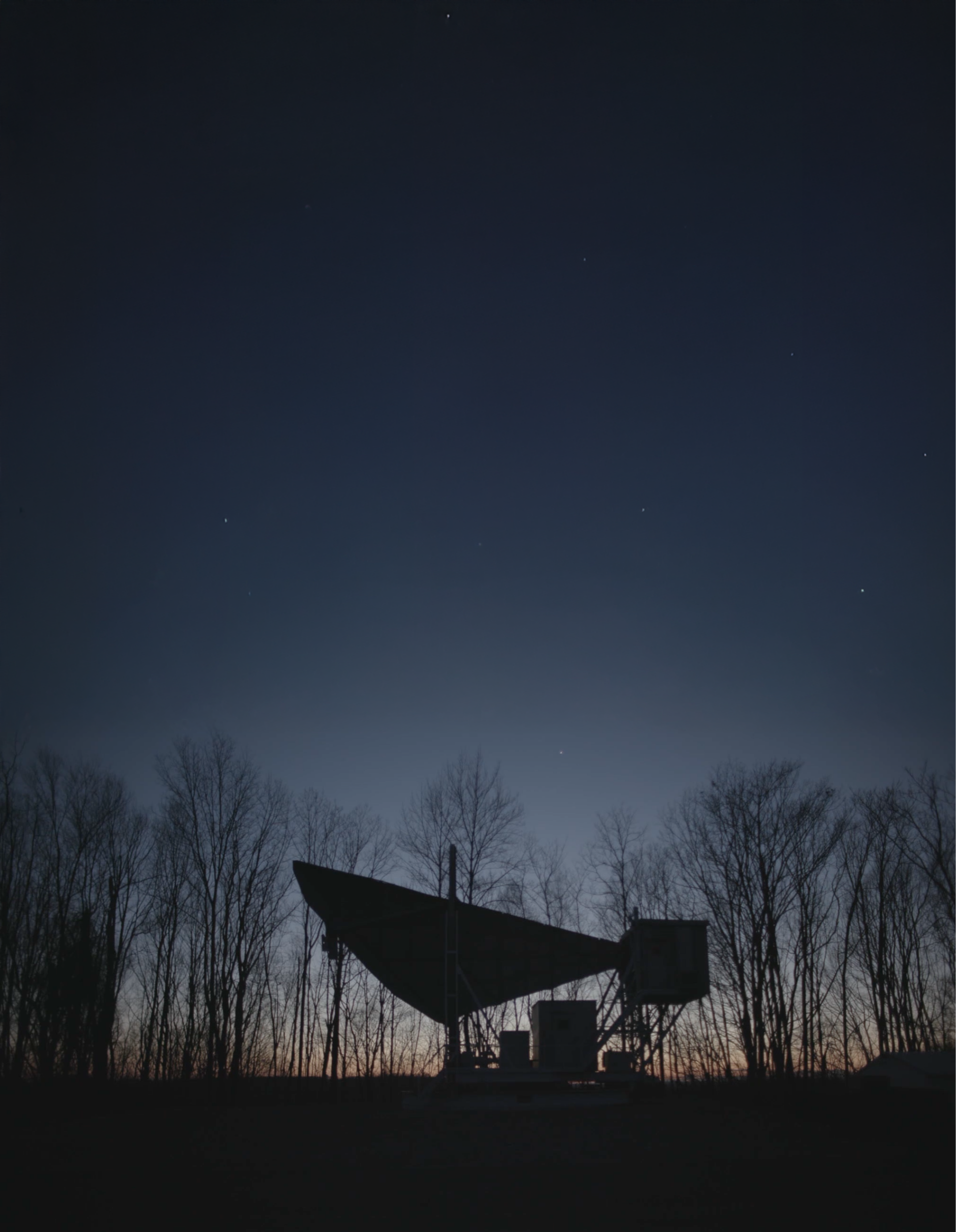
Following its launch from the quietest room in the world, Raw Space was broadcasted into space via the historic Holmdel Horn Antenna, which first detected Cosmic Background Radiation in 1965 proving the validity of the Big Bang theory. The Nobel Prize winning scientist Dr Robert Wilson made the first update (in 50 years) to this National Historic Landmark to make sure that Wolfe’s music of Raw Space got past the earth's atmosphere and into outer space.
Svalbard Music Vault
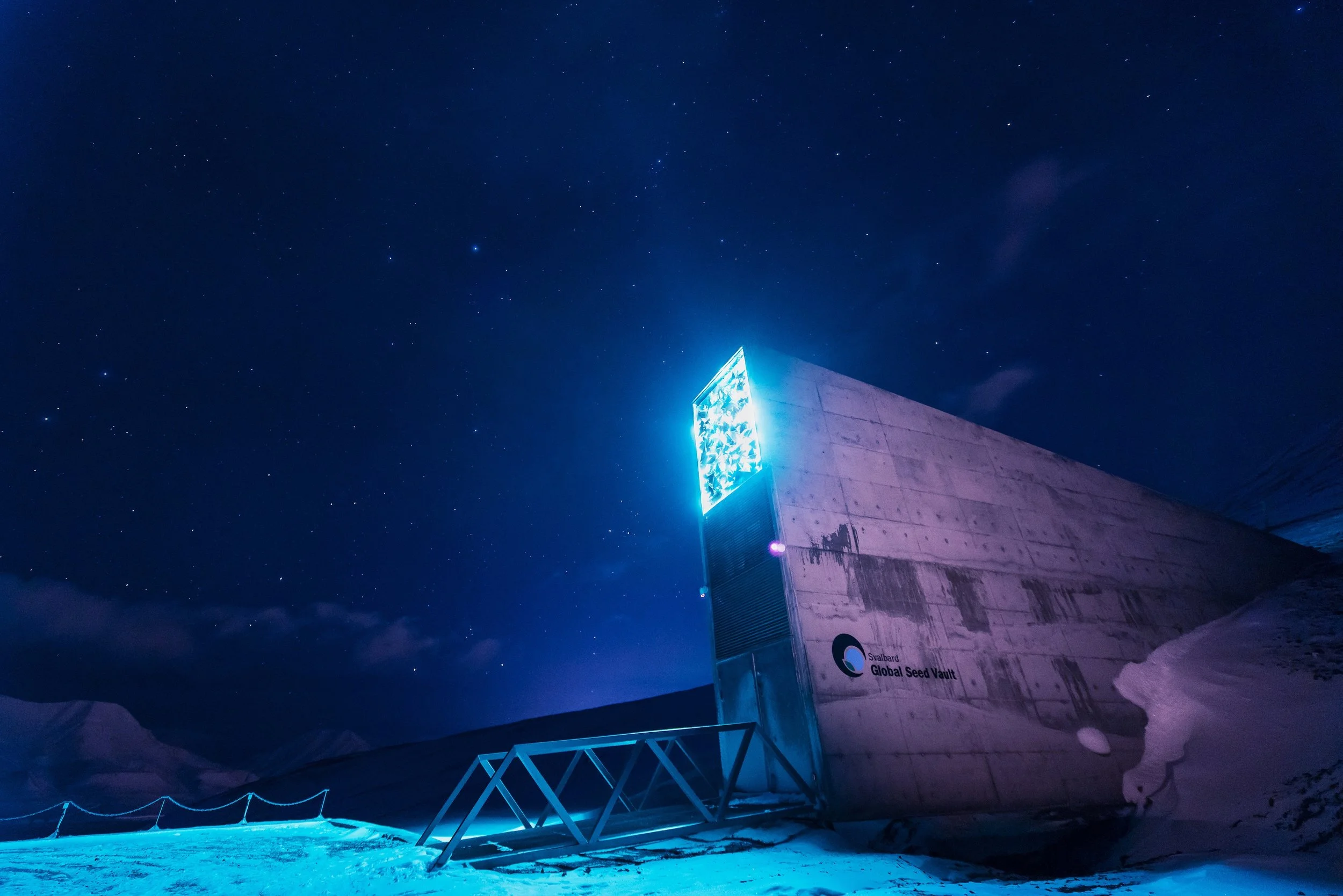
The Global Music Vault (a seed bank equivalent for music) worked with Beatie Wolfe to be part of its Proof of Concept for safeguarding the world's most valuable music using cutting edge green storage technology that can store data inertly for up to 10,000 years. Beatie’s music was included alongside selections from the Polar Music Prize, The National Library of New Zealand and the International Library of African Music. Wolfe then worked with this environmental storage technology to create other artworks and the “thinking cap” for her exhibition imPRINTING.
New Formats Pioneered



‘World First’ Designs at the V&A museum
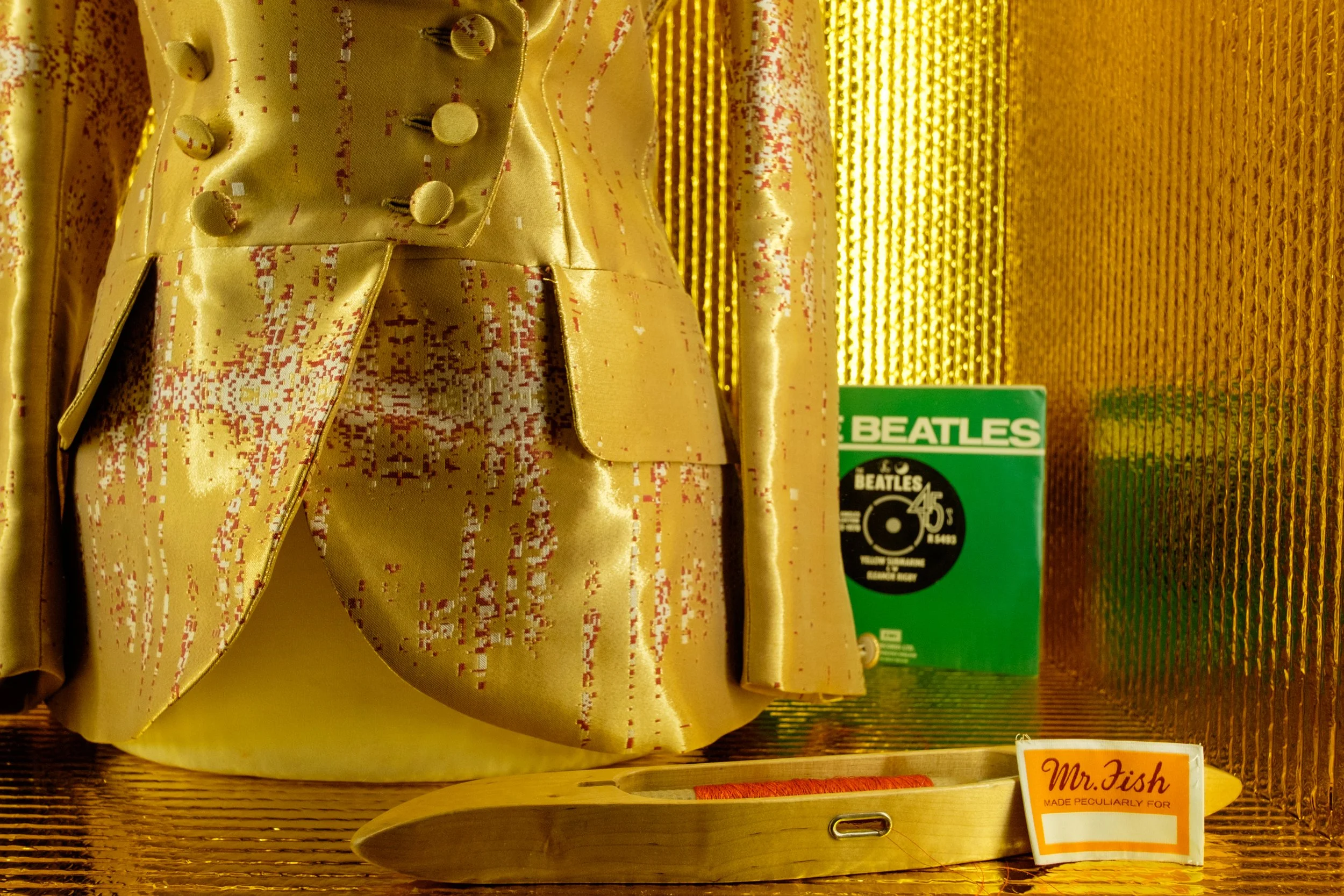
Feeling that we had lost the tangibility, ceremony and story around music (and its art) when we moved from physical to digital, Beatie Wolfe designed a series of new formats for the album between 2012 and 2017 which were presented in a solo exhibition at London’s Victoria and Albert. Bridging the physical and digital and reimagining the vinyl experience in retro-future ways, these ‘world first’ designs range from: a theatre for the palm of your hand; an album as a deck of intelligent cards; a record “jacket” woven with Wolfe’s music; an ‘anti-stream’ from the world’s quietest room and a space chamber.
The First Bioplastic Record
As a lover of vinyl but also an environmental activist, Wolfe and REM's Michael Stipe released the world’s first commercially available bioplastic 12” in support of EarthPercent which sold out within 5 minutes. This bioplastic vinyl, an ecological design solution by Evolution Music, is a genuinely revolutionary moment for both the music industry and record collectors, offering a non-fossil fuel future for vinyl recordings that globally is c180 million LPs (or 30,000 tonnes of PVC) a year. The eco vinyl features Wolfe’s track “Oh My Heart” which was performed live at the Nobel Prize Summit and also became the soundtrack to “Smoke and Mirrors”.
A Sonic Self-Portrait
Wanting to find a way to make our own brains more accessible and bring neurology and consciousness closer together, Wolfe created imPRINTING, an exhibit which transports visitors inside the artist’s brain via a retro-future “thinking cap” allowing them to tune into and discover its many channels and sonic imprints including conversations, collaborations, music, memory, hopes, fears and dreams. First exhibited at Somerset House and now installed in the Boston Museum of Science, visitors can pick up retro telephones to listen in to the brain channels all stored in Wolfe’s thinking cap. This “thinking cap” holds the data related to each area of the brain ecologically encoded in glass and woven into the cap to be preserved for up to 10,000 years.
Climate “Visceralisations”


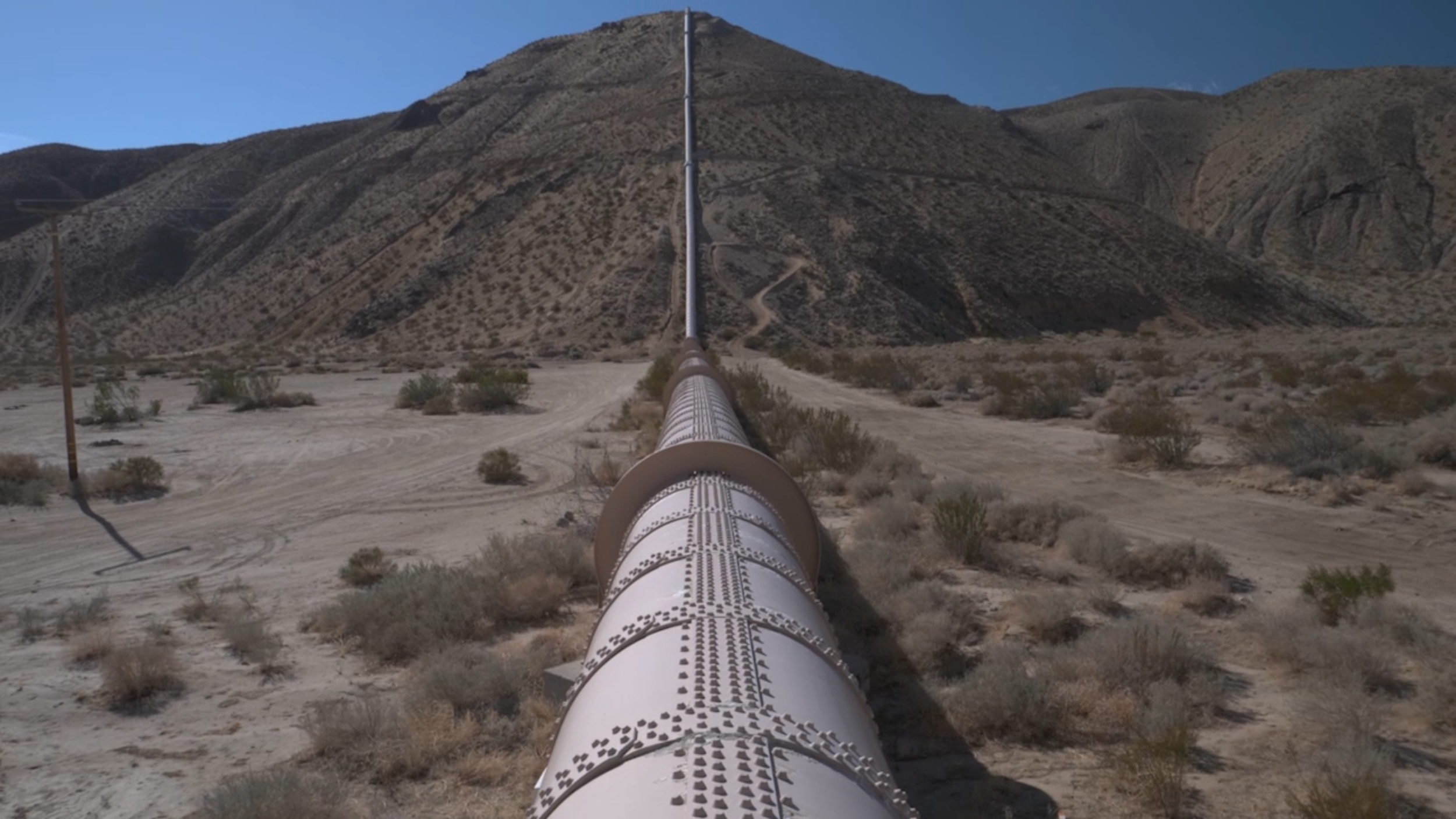
From Green to Red: 800,000 Years of CO2
First stirred into climate action as a teenager after seeing “An Inconvenient Truth,” Beatie Wolfe went on to create a stirring environmental protest piece about human impact on the planet, built using 800,000 years of historic NASA data. “From Green to Red” (taken from the title of the accompanying music that Wolfe wrote in 2006 after seeing the Al Gore doc) tracks the impact of human behavior on the planet, creating an arresting visualization of rising CO2 levels, and asks us the question, is it too late to turn back? This art piece was premiered at the Nobel Prize Summit where Wolfe spoke after Sir David Attenborough and Al Gore.
Smoke and Mirrors: Methane x Big Oil
Realizing that the human impact story was only a part of how we got to this crisis point, Wolfe created ‘Smoke and Mirrors’ to illuminate the truth that has been purposefully obscured from view. Starting from 1970 until present day, this visceralization presents rising methane levels set alongside the advertising slogans deployed by the Big Oil industry to deny, doubt, and delay the growing climate awareness through the decades. This evocative visual, based on NASA’s Blue Marble photograph, is set to “Oh My Heart”, which was released as the world’s first bioplastic record by Beatie Wolfe and REM's Michael Stipe. This project won Prix Ars Electronica’s Golden Nica.
LA Pipedream: The Journey of Water
Constantly fascinated by the perplexing issue of making critical environmental data accessible and relatable to all, Wolfe moves from climate data and emissions to water asking the question: Where does our water really come from? And how might we revalue it if we knew? The first part of this story focuses on the LA Aqueduct, following its unnatural and improbable 419 mile journey to bring water to the homes of greater Los Angeles. The soundtrack is composed by Beatie Wolfe and Brian Eno.
Cornerstone Collaborations


Bell Labs E.A.T. Reboot
Bell Labs invited Beatie Wolfe to reboot its legendary Experiments in Art and Technology (E.A.T.) program, which began in the 1960s with artists like Andy Warhol, John Cage and Robert Rauschenberg working with the engineers to learn from one another. Wolfe revived this historic initiative with her project Raw Space, the world’s first 360° AR live-stream (also described as an “anti-stream” for the streaming age).
Postcards for Democracy
DEVO’s Mark Mothersbaugh and Beatie Wolfe joined forces to create Postcards for Democracy, a collective postcard art demonstration in light of the threat to the 225yr old postal service. The pair received tens of thousands of postcards from all over the world which were exhibited at the Rauschenberg Gallery with highlights going on to the Smithsonian. This project was rebooted ahead of the 2024 election with support from the Broad Foundation.
Brian Eno Collaboration
Kindred spirits and long-term collaborators Brian Eno and Beatie Wolfe released their first three albums in 2025, with more to come. Described as “Dream Music” (Luminal) “Space Music” (Lateral) and “Dark Matter” music (Liminal), the albums have been highly and widely praised. Aligned on all matters of art, philosophy, and the environment, these records have been printed as eco vinyls with a percentage of the royalties going to Brian’s charity EarthPercent. Wolfe and Eno continue to work on new music and art together.
Remarkable Places


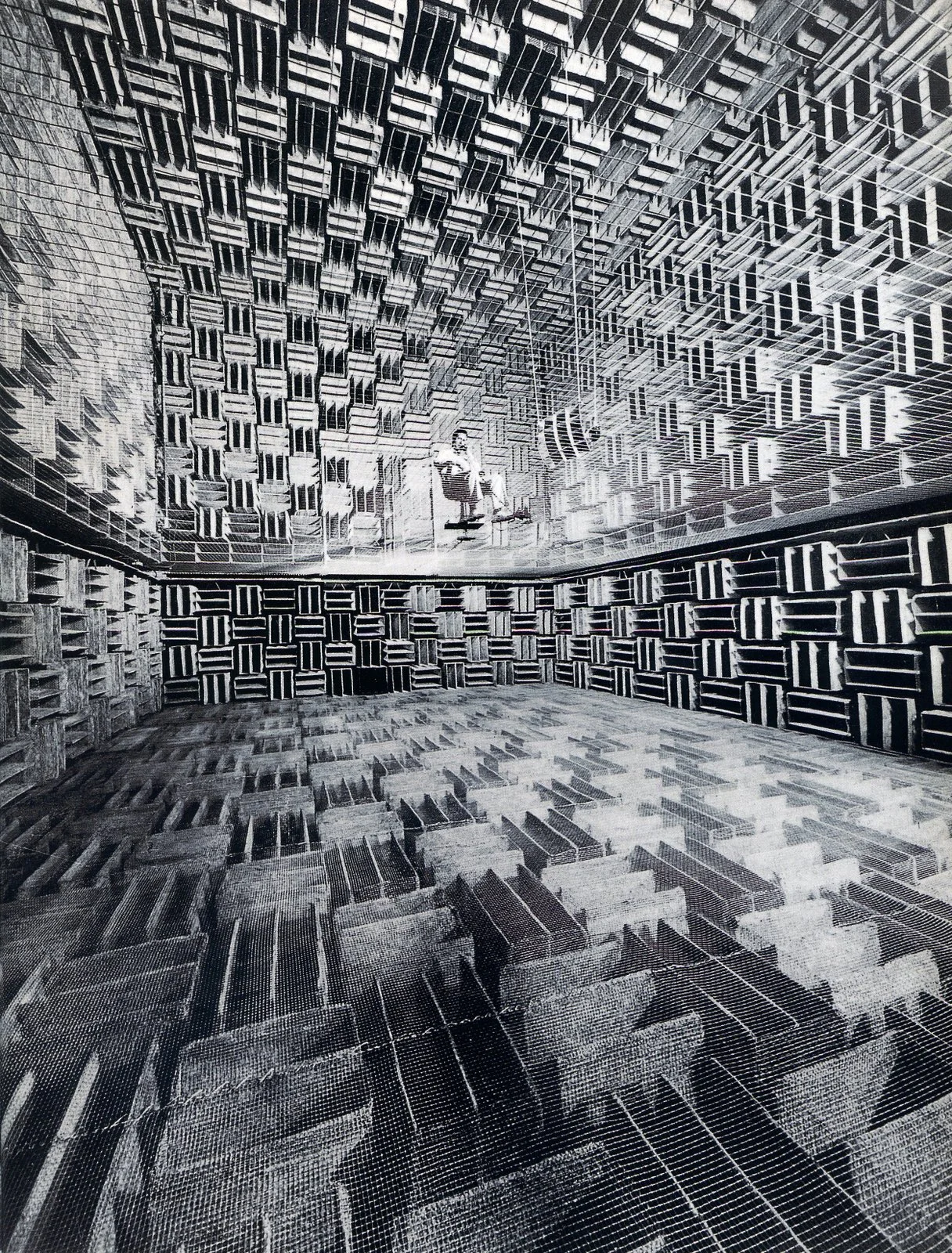
The Bell Labs Anechoic Chamber
This chamber was the inspiration and setting for Wolfe’s third record, and E.A.T reboot, Raw Space. Built in 1947, the wedge-based anechoic chamber was the first of its kind and the quietest room on earth for decades. It was famously where Helen Keller said she experienced silence for the first time, where key discoveries were made in fields like psychoacoustics (which led to the establishment of the standard loudness contours that we use today) and where artists including John Cage did experiments in the 1960s as part of the E.A.T. program. Wolfe has now spent over 100 hours in this chamber, longer than any other Bell Labs engineer!
The Holmdel Horn Antenna
The antenna - a US National Historic Landmark -now sits in the newly established Robert Wilson National Park after being recently saved from developers. Built by Bell Laboratories in 1959 as a satellite communications system, it played a crucial role in the discovery of Cosmic Microwave Background (CMB), the first light of our Universe, which substantiated the Big Bang Theory. Wolfe employed the use of the Horn Antenna, working with Dr Robert Wilson, for both her Raw Space broadcast and the recent experiment of sending her and Brian Eno’s latest album, Liminal, into space.
34 Montagu Square
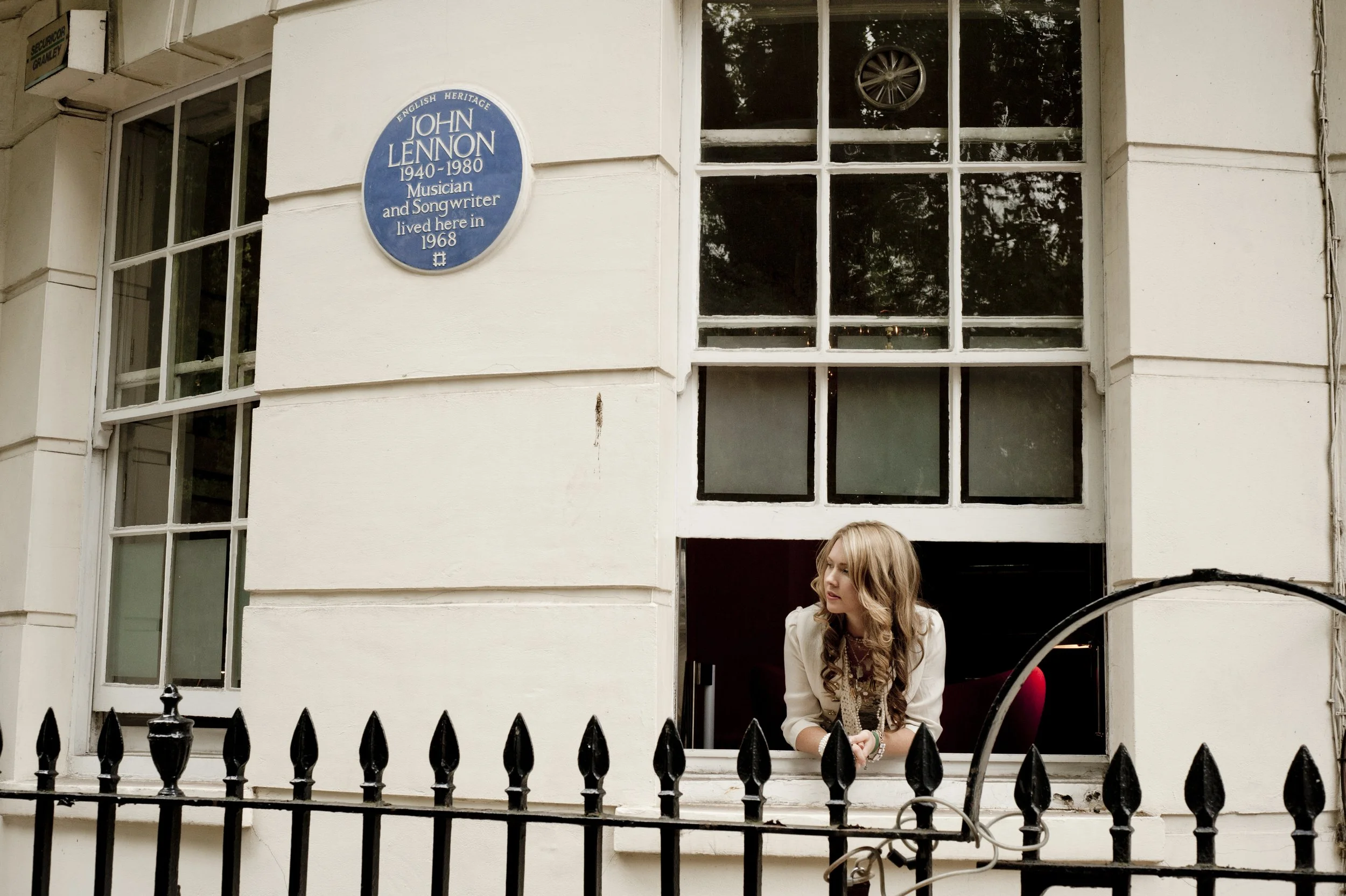
This historic flat near Abbey Road, 34 Montagu Square, was the former home of Jimi Hendrix, Ringo Starr, Paul McCartney, John Lennon & Yoko Ono. Wolfe recorded her third album (of the same name) in the house and specifically the room where McCartney wrote 'Eleanor Rigby' and Hendrix penned 'The Wind Cries Mary.' This flat is the current home of Mr Fish who dressed David Bowie, Mick Jagger and Muhammed Ali and who Wolfe worked with to create the Musical Jacket and Thinking Cap.